
top of page
GG_LogoVertical-Black.png

General Fertility

October 3, 2023 at 6:57:00 PM

During your initial consultations you will be asked to consider and decide on any potential tests you’d like to have completed on your developing embryos. Most tests are performed after creation of the embryo and prior to their transfer into your surrogate’s uterus. These tests can highlight a number of things from sex of the fetus to presence of any potential genetic disorders. 


Understanding the different types of tests available is a bit like eating a bowl of alphabet soup; they’re all abbreviated and occasionally medical professionals can forget that this may be your first experience to these tests. Perhaps the most often confused tests are the Pre-Implantation Genetic Diagnosis (PGD) and Pre-Implantation Genetic Screening (PGS). Both tests require a biopsy be completed on your embryo on day 5 or 6. Here’s a look at how these two very similar tests differ. 


PGD 


This test represents the more exhaustive screening option as it screens for specific diseases. This test is often recommended for couples with a family history of genetic diseases or the knowledge that at least one contributor is a carrier for specific diseases. The test is able to identify a battery of genetic diseases including: 


  • Cystic Fibrosis

  • Huntington’s Disease

  • Tay Sachs

  • Hemophilia

  • Muscular Dystrophy

  • Sickle Cell Anemia

  • Spinal Muscular Atrophy

  • Muscular Dystrophy

  • Marfan’s Syndrome


PGS 


PGS looks specifically at chromosomal numbers. A typical, healthy embryo should have 46 pairs of chromosomes. This test will identify if there are fewer or greater chromosomes that what is considered ideal. Abnormalities in chromosomal numbers can lead to failure to implant, increased odds of miscarriage, and genetic disorders including Downs Syndrome. This test is recommended for those wanting to attempt only single embryo transfers as a way to aid in the selection of the best embryo for transfer. 


Can We Do Both? 


A commonly asked question is if your embryo is able to have both tests completed. The general answer is yes. In patients who carry a single gene mutation, it is not only possible but recommended. Remember that if anyone you encounter during your experience begins to use jargon that is unfamiliar to you, it is perfectly acceptable to stop them and ask for clarification on terminology. These terms are foreign to most and you should not feel any hesitation to ask for explanation. Understanding your options will help you make the best choices possible for your growing family.

During your initial consultations you will be asked to consider and decide on any potential tests you’d like to have completed on your developing embryos. Most tests are performed after creation of the embryo and prior to their transfer into your surrogate’s uterus. These tests can highlight a number of things from sex of the fetus to presence of any potential genetic disorders. 


Understanding the different types of tests available is a bit like eating a bowl of alphabet soup; they’re all abbreviated and occasionally medical professionals can forget that this may be your first experience to these tests. Perhaps the most often confused tests are the Pre-Implantation Genetic Diagnosis (PGD) and Pre-Implantation Genetic Screening (PGS). Both tests require a biopsy be completed on your embryo on day 5 or 6. Here’s a look at how these two very similar tests differ. 


PGD 


This test represents the more exhaustive screening option as it screens for specific diseases. This test is often recommended for couples with a family history of genetic diseases or the knowledge that at least one contributor is a carrier for specific diseases. The test is able to identify a battery of genetic diseases including: 


  • Cystic Fibrosis

  • Huntington’s Disease

  • Tay Sachs

  • Hemophilia

  • Muscular Dystrophy

  • Sickle Cell Anemia

  • Spinal Muscular Atrophy

  • Muscular Dystrophy

  • Marfan’s Syndrome


PGS 


PGS looks specifically at chromosomal numbers. A typical, healthy embryo should have 46 pairs of chromosomes. This test will identify if there are fewer or greater chromosomes that what is considered ideal. Abnormalities in chromosomal numbers can lead to failure to implant, increased odds of miscarriage, and genetic disorders including Downs Syndrome. This test is recommended for those wanting to attempt only single embryo transfers as a way to aid in the selection of the best embryo for transfer. 


Can We Do Both? 


A commonly asked question is if your embryo is able to have both tests completed. The general answer is yes. In patients who carry a single gene mutation, it is not only possible but recommended. Remember that if anyone you encounter during your experience begins to use jargon that is unfamiliar to you, it is perfectly acceptable to stop them and ask for clarification on terminology. These terms are foreign to most and you should not feel any hesitation to ask for explanation. Understanding your options will help you make the best choices possible for your growing family.

/

/

PGD & PGS: WHAT ARE THEY?

PGD & PGS: WHAT ARE THEY?

A child holds its hands against a window

Related Posts

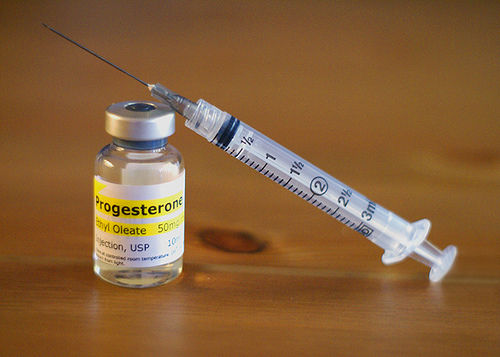
Progesterone is a hormone that is commonly administered in oil to surrogates. Naturally, you may have questions about how progesterone is mixed with oil for IVF injections.

ALL ABOUT PROGESTERONE IN OIL FOR IVF

It’s commonly believed that women are born with all the eggs they’ll ever have. See the research that may challenge this belief at Growing Generations.

ARE YOU BORN WITH ALL YOUR EGGS?

Delve into the intricacies of surrogacy with Dr. Kathy Salari of Mitera, exploring maternal-fetal medicine, recommendations for surrogates and intended parents, and the significance of early genetic screening.

ASK AN EXPERT: DR. KATHY SALARI ANSWERS MEDICAL QUESTIONS ON SURROGACY

Many women experience bleeding during pregnancy, and bleeding in an IVF pregnancy can be extra worrisome. Learn more about this here.

BLEEDING IN IVF PREGNANCY

One question we commonly receive when surrogates are preparing for embryo transfer is whether embryos can fall out after a transfer. Get the answer and the reasons behind it here.

CAN AN EMBRYO FALL OUT AFTER TRANSFER?

Learn about the D&C procedure, often recommended after a miscarriage or abnormal pregnancy, including its process, potential complications, and signs to monitor during recovery to ensure proper healing.

D&C PROCEDURE AFTER MISCARRIAGE: RISKS & RECOVERY

When an embryo implant does not become a viable pregnancy, it forces a difficult decision. This guide details your option of a D&C procedure vs a natural miscarriage.

D&C VS NATURAL MISCARRIAGE

When using IVF, determining gestational age may not be as straightforward as you think. Learn more about how to calculate IVF gestational age from Growing Generations.

DETERMINING THE AGE OF THE EMBRYO AFTER IVF

Finding fluid in your uterus on your ultrasound isn’t necessarily a reason for alarm, but it does raise some questions.

FLUID IN YOUR UTERUS: WHAT DOES IT MEAN?

Parents using IVF to achieve pregnancy are often confused about when they should announce the pregnancy—the reality is there is no right answer. Get three perspectives on the matter here.

IVF PREGNANCY ANNOUNCEMENT: WHEN & HOW TO RELAY BABY NEWS

You may hear these labor and delivery terms flying around during the hours that lead up to the birth of your child.

LABOR & DELIVERY TERMS AND ABBREVIATIONS

"Mock cycle" and "dropped cycle" are similar jargons with different implications for the surrogate. Learn more about these terms here.

MOCK CYCLE IN IVF VS. DROPPED CYCLE

Pelvic rest is a necessary part of any surrogacy, but many people aren’t sure what exactly it requires. Learn the details here.

PELVIC REST: WHAT IS IT & WHAT DOES IT MEAN FOR YOU?

Even before an embryo transfer occurs, a surrogate is considered “pregnant.” Read the reason why and learn more about the stages of embryo development.

UNDERSTANDING EMBRYO STAGES & DEVELOPMENT WITH IVF

After completing a surrogacy, you will likely end up with some unused IVF needles. Not sure what to do with them? Check out these tips.

WHAT TO DO WITH UNUSED IVF NEEDLES

The time following a miscarriage or D&C can be confusing. We have some answers to the question of when do you get your period after miscarriage or D&C. Read more about when you can expect your period to return here.

WHEN DO YOU GET YOUR PERIOD AFTER A D&C OR MISCARRIAGE?

bottom of page