

Surrogacy for Surrogates
October 3, 2023 at 2:57:00 PM
Many surrogates find themselves wondering why their intended mother needs their help. One potential cause stems from prolonged or advanced polycystic ovary syndrome, PCOS for short. PCOS is often associated with pregnancy difficulties and infertility, leading many women to turn to surrogacy to build their families.
WHO GETS PCOS AND WHY?
PCOS is actually quite common. Doctors estimate that as many as 8% to 13% of all women in childbearing years suffer from PCOS, and suggest that as many as half of those women may not even know they have it.
Women suffering with PCOS produce too much of a typically male hormone called androgen. When it is too abundant, androgen prohibits the body from allowing a healthy egg to be released from the ovary into the fallopian tubes, sometimes leaving the woman unable to conceive a child. Instead, the immature eggs turn into small cysts and are retained inside of the ovaries. These retained cysts will continue to contribute to steadily elevated levels of androgen in the body, serving only to fuel the cycle of PCOS further.
PCOS Symptoms
PCOS is often characterized by missed or irregular periods, excess body hair, weight gain, and acne. Given that these are symptoms that are incredibly common for most women, many don’t mention them to their doctors for many years. The diagnosis itself can often take quite a while to attain, given that PCOS is only diagnosed as an “exclusionary diagnosis,” meaning it is only diagnosed after every other possible diagnosis has been ruled out.
PCOS: PREGNANCY, MISCARRIAGE & SOLUTIONS
For women living with a PCOS diagnosis, the answers to their fertility can run the line from very hopeful to very grim. While some women may need minor hormone therapy to regulate their cycles and work to correct the abundance of androgen, others may experience infertility or miscarriage. Often, this latter group of women is left considering reproductive technologies and even surrogacy as the best way to create their families.
Helping these women build their families through surrogacy is deeply rewarding. (You can learn about other reasons to become a surrogate in our related blog post.) Reach out to us online to learn more.
Related Posts
KNOW YOUR RIGHTS AS A SURROGATE: CONTRACTS, HEALTHCARE, AND DECISION-MAKING
Becoming a surrogate requires commitment and informed decision-making. You deserve to understand your legal protections, healthcare rights, compensation, and responsibilities before moving forward. At Growing Generations, we help surrogates understand these protections before they sign anything.

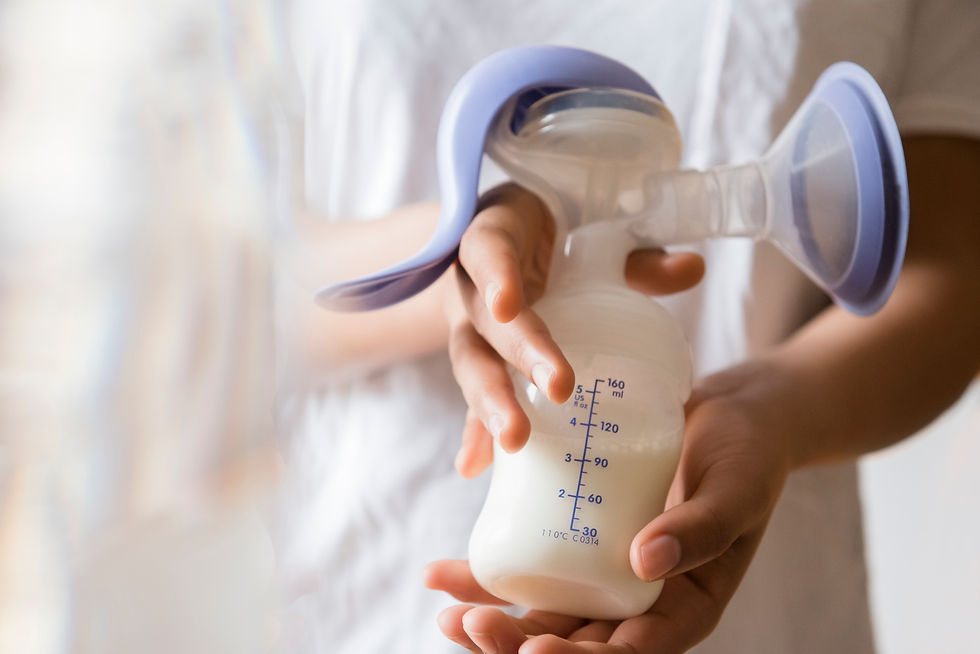
SHOULD A SURROGATE PROVIDE BREAST MILK FOR THE BABY? EXPLORING THE OPTIONS
Discover the multifaceted considerations of providing breast milk in surrogacy journeys. From the decision-making process, preparing to pump, potential challenges, and alternative feeding options, Growing Generations offers insights and support to make informed choices.
SHOULD I BE A SURROGATE? A SELF-ASSESSMENT CHECKLIST
Your decision to become a surrogate starts with more than meeting a list of qualifications. You’ll have to consider how it will affect your life. There is no single “right” reason to become a surrogate, and readiness can look different for every woman. By learning what the surrogacy process asks of you and reflecting honestly on your goals, you can decide whether becoming a surrogate feels right for you.

- Page 4