

Growing Generations
Surrogacy for Intended Parents
March 10, 2026 at 8:00:00 AM
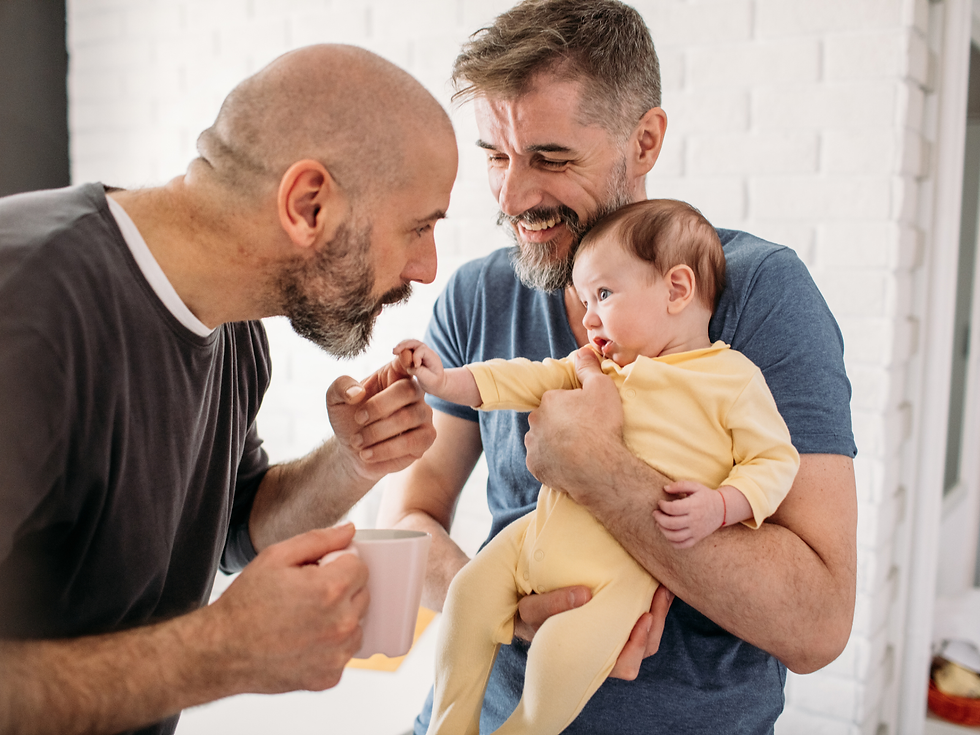
For many LGBTQIA+ couples, finding an egg donor is one of the ways they are able to start a family and build their legacy. And if it feels like a very emotional decision, you’re not alone. For many gay dads, this is one of the paths to have biological children. In most egg donation journeys, finding the right egg donor includes reviewing donor profiles, understanding medical and genetic screening, and deciding what matters most to you and the future of your family.
This guide will help you think through your donor options, key selection factors, the emotional considerations along the way, and how the right support can make the process seamless.
Why Choosing an Egg Donor Is an Important Decision for Gay Dads
As a gay dad, choosing an egg donor lands differently than expected because it touches on the things that matter the most to you. You may be thinking about genetic connection, and what it will feel like if one partner has a biological link and the other doesn’t.
You may be imagining your child growing up and asking questions about traits, heritage, and resemblance. And you may notice emotional weight showing up in quiet ways: pressure to “get it right,” fear of regret, or a sense of responsibility to make the best possible choice for a child you already love.
All these feelings are valid. They’re a reflection of how seriously you’re holding this moment.
Common Egg Donor Options for Gay Couples: Agency, Clinic, or Known Donor
There are a few common paths for finding an egg donor. The best fit depends on your timeline, the level of guidance you want, and what feels most comfortable for your family.
Agency-Matched Donors
Some intended fathers choose an agency-matched donor. This option involves working with a team that can help source donors, clarify your preferences, communicate with the clinic, and coordinate surrogate screening and logistics throughout your journey.
Clinic-Based Donor Programs
Others match through a clinic-based donor program, where the fertility clinic offers an in-house donor pool or partner database and often manages the medical coordination in a more streamlined way.
Known Donors
Another option is choosing a known donor, such as a friend or family member. This path can feel personal, and it also benefits from thoughtful planning around boundaries, expectations, and the long-term relationship.
There isn’t one option that’s best for everyone. The best choice is the one that aligns with your values and the kind of support you want around you as you build your family. An Agency-supported route is most recommended if you are looking for more guidance and support in your journey.
Shared vs. Separate Egg Donor Cycles: What’s the Difference?
In a shared donor cycle, the donor goes through a retrieval, and the eggs from that retrieval may be used by more than one family. You’re participating in a cycle where the donor’s retrieval is not exclusive to your family.
In a separate donor cycle, intended parents arrange for a donor to complete a retrieval specifically for their family. For some families, it creates a dedicated egg donor journey tied to your plan and timeline.
It may also help to know what’s most typical: many families choose one egg donor and use that same donor for sibling journeys whenever possible. Within that plan, you may decide whether one partner or the other will be the biological parent for a given embryo transfer. However, you may want to consider that the same donor may not be available years later if you want a genetic connection between siblings. What’s less common is selecting multiple egg donors within the same family plan, simply because staying with one donor can support sibling journeys.
It is worth a conversation with your chosen agency or clinic to understand what options are available to you before moving forward with your path to parenthood.
How to Choose an Egg Donor: Key Factors to Consider
Before looking at profiles for your potential egg donors, it may be helpful to reflect on what is important to you. Are you looking for family resemblance with your donor? Often, we find that intended parents want to find someone who may blend into their family. Consider important factors like that before diving into viewing profiles.
Medical history and screening: Look for clear information on health history, fertility indicators, and screening standards. This is where egg donor requirements matter the most.
Genetic background: Consider carrier screening, family medical history, and anything you may want to share with your future child later. It would also be good to know your own genetic health to mitigate risk for genetic abnormalities for your future children.
Personality or personal values: You may want to see how your egg donors’ personality matches your own. Perhaps she’s outgoing or into the arts. These may be important to finding an egg donor match that’s right for you.
Level of openness or future contact: Think about whether you prefer a de-identified or non-identified arrangement, an open-ID, or a known donor arrangement. Ask yourself what you want your child to have access to in the future.

When you are thinking about screening and eligibility, it’s helpful to review the egg donor requirements so you understand what is typically evaluated and what can vary by clinic or program. At Growing Generations, we only have the top 1% of all candidates as a part of our egg donor candidate pool.
Emotional Considerations for Intended Fathers
Even when the process is going smoothly, emotions can show up in unexpected ways. You might feel pure excitement one day and doubt the next.
Try to treat those feelings as information, not problems to solve. Talk openly about what each of you is carrying. You might wonder about the child not having a mother. One of you may feel like you are not preparing enough for the arrival of your child. Or you may even be comparing yourself to other couples who have already found a donor.
This is one of those moments where clear communication protects the family you are building. There’s no right emotional response. Your reactions are valid, and naming them early helps you make decisions together confidently.
How Agencies and Clinics Help You Choose an Egg Donor
This process gets easier when you don’t have to handle every detail alone. Egg donor agencies and clinics can help narrow choices based on your preferences, clarify screening standards, coordinate medical timelines, and keep the process moving without pressure.
Professional guidance can help you choose an egg donor in a way that feels aligned with your timeline and values. The decision is driven by what truly fits your family, instead of anxiety, because you have the support you need.
At Growing Generations, our role is to bring structure and support to this process so you can focus on your family-building journey, not just getting through a checklist. For thirty years, we have had an extensive history working with LGBTQIA+ couples to start their family. We were one of the first agencies to have egg donor video profiles.
5 Common Mistakes Gay Dads Make When Choosing an Egg Donor
When finding an egg donor, running into these mistakes is completely understandable. Most intended parents bump into at least one.

Rushing the decision: Moving too fast can leave you second-guessing later, especially if you didn’t align on priorities with a potential egg donor first.
Not feeling confident with your choice: It's hard to find a perfect egg donor. That is why identifying what matters most in a donor will help you make this decision. If a donor is healthy, seems like a good fit for your family, and you're still having hesitations, there may be other factors at play.
Not aligning as partners: If you and your partner are noticing some tension in the relationship, it's normal and understandable. This is a complicated process, so it's important to check in with one another to make sure you're both on the same page. After all, this is a big life decision.
Lack of professional guidance: Without experienced support, it’s easier to get overwhelmed by options or misunderstand screening differences. Working with an agency helps the process become smooth, and your family-building experience feels supported.
Trying to eliminate all uncertainty: This is an important yet complicated process, so, understandably, you want to get every detail right. Instead of trying to handle everything, trust yourself and your agency partners to help you through this journey.
At Growing Generations, our dedicated donor matching team is here for you to avoid making these pitfalls and to support you through our highly customized donor process.
Choosing the Right Egg Donor for Your Family: Final Considerations
Choosing an egg donor is a big decision, but it doesn’t have to feel overwhelming. The goal is to find the right fit for your family: someone who meets your exact standards, aligns with your preferences, and is a part of the story you want to tell your future child. With the right support, this step becomes less stressful. And you deserve that, especially at the beginning of a life-altering journey.
At Growing Generations, we are here to support you at every step of your family-building journey. If you have questions and would like to learn more about our egg donor services, you can reach out to one of our dedicated donor matching specialists
Related Posts
KNOWN VS ANONYMOUS DONORS FOR LGBTQIA+ FAMILIES: THE EMOTIONAL PROS/CONS
For LGBTQIA+ intended parents choosing surrogacy as a path to parenthood, the choice of using a donor in your family-building process carries emotional and practical considerations that will shape your family’s story. Explore the emotional, legal, and long-term considerations of choosing a known vs. anonymous donor for LGBTQIA+ families in this article.

20 CRITICAL QUESTIONS TO ASK A SURROGACY AGENCY BEFORE YOU COMMIT
Choosing a surrogacy agency is one of the most important decisions you will make on your path to parenthood. Explore this agency interview checklist with questions to help you find the right fit for you and the family you are building.

- Page 1